Children, young people and families
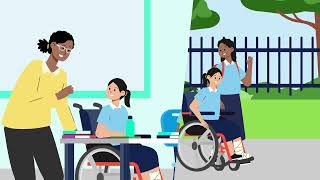
Children and young people can have unique needs that are different from adults. This information is to help you and your child with recovery after an accident.
When children and young people under the age of 18 are impacted by an accident, we know it’s a challenging time for them and their family. We know that navigating a system like the TAC can sometimes be difficult or stressful. We are here to help.
If you are a child and you need help, the Kids Helpline is available 24/7. Visit kidshelpline.com.au or call 1800 551 800.
If your family has been involved in a transport accident, you can make a claim on behalf of your child, grandchild or another family member. You do not need to complete a new form for each family member. You can do this by using our online lodgement form or calling us on 1300 654 329. More information can be found on our how to make a TAC claim page.
Information sheet for children, young people and families PDF, 0.37MB
When your child has had an accident, it can be a stressful and emotional time. You may feel unsure about what the future holds, and these feelings of uncertainty are normal as a parent.
The TAC is here to help you. As well as paying for services, we are also here to listen to you whenever your family needs support. We will work together with you, community groups and healthcare professionals to make sure you receive help when you need it. Here are some ways you can help:
- Keep us updated on what services you are using and finding helpful.
- Tell us about your child’s changing needs and goals.
- Work with us to plan ahead.
We can only disclose information about a child to their parent/s or legal guardian. If you have any questions please contact us.
What you can expect of TAC staff
We spend time training and educating our teams so they know how to support child safety and wellbeing. We also have a number of dedicated teams that specialise in supporting children and families.
We have clear policies that help our staff members understand how they should behave when they work with children and young people. This includes:
- communicating with you and your child appropriately and professionally, ensuring physical contact is limited and consensual, promoting participation and decision making of children, and taking any concerns seriously.
- understanding what kind of behaviour is not okay. This includes demonstrating poor boundaries, communication that is personal and inappropriate and any other behaviour that is harmful or abusive.
We have processes in place so that TAC staff know what to do if they learn about a child safety problem. Our processes make sure we investigate and follow up any concerns.
If you are concerned about a TAC staff member’s conduct towards a child, we want to hear about it. Please see our Concerns and Complaints page.
Clients turning 18 years of age
When a child turns 18, the way we communicate with them may change. People turning 18 may be now responsible for managing their own TAC claim and communicating with the TAC, if they have the capacity to manage their own affairs. They may also be entitled to different benefits.
More detailed information can be found on our communicating with clients under 18 years of age policy.
Working together with the TAC
When your child has had an accident, it can be a stressful and emotional time. You may feel unsure about what the future holds, and these feelings of uncertainty are normal as a parent.
The TAC is here to help you. As well as paying for services, we are also here to listen to you whenever your family needs support. We will work together with you, community groups and healthcare professionals to make sure you receive help when you need it. Here are some ways you can help:
- Keep us updated on what services you are using and finding helpful.
- Tell us about your child’s changing needs and goals.
- Work with us to plan ahead.
We can only disclose information about a child to their parent/s or legal guardian. If you have any questions please contact us.
What you can expect of TAC staff
We spend time training and educating our teams so they know how to support child safety and wellbeing. We also have a number of dedicated teams that specialise in supporting children and families.
We have clear policies that help our staff members understand how they should behave when they work with children and young people. This includes:
- communicating with you and your child appropriately and professionally, ensuring physical contact is limited and consensual, promoting participation and decision making of children, and taking any concerns seriously.
- understanding what kind of behaviour is not okay. This includes demonstrating poor boundaries, communication that is personal and inappropriate and any other behaviour that is harmful or abusive.
We have processes in place so that TAC staff know what to do if they learn about a child safety problem. Our processes make sure we investigate and follow up any concerns.
If you are concerned about a TAC staff member’s conduct towards a child, we want to hear about it. Please see our Concerns and Complaints page.
Clients turning 18 years of age
When a child turns 18, the way we communicate with them may change. People turning 18 may be now responsible for managing their own TAC claim and communicating with the TAC, if they have the capacity to manage their own affairs. They may also be entitled to different benefits.
More detailed information can be found on our communicating with clients under 18 years of age policy.
The TAC can help pay for treatments and services to support a child or young person’s recovery after an accident. We support children of all backgrounds and lived experiences.
We recognise children’s needs will likely change over time, as they grow and develop. The TAC will work with you and your treating team to make sure your child’s needs are met, in line with our policies.
If you can’t find what you’re looking for please contact us on 1300 654 329.
Common services and supports for people under the age of 18 include:
- Medical services and doctor appointments, x-rays and scans.
- Allied health services such as physiotherapy and occupational therapy.
- Mental health and wellbeing services such as psychology.
- Support for family members while a child is in hospital such as time off work payments, travel and accommodation.
- Travel and accommodation to get to appointments related to the accident.
- Payments to help with the extra cost of looking after your injured child, called the Minors additional benefit.
Returning to school or work after an accident
Getting back to school or work after an accident is an important step in a child or young person’s rehabilitation, but it can be challenging. There are many education support services the TAC can help pay for to support your child:
- Inclusion programs in preschool and childcare
- Integration programs (including integration aides)
- A special education consultant
- Special school funding
- Tutoring
- Adaptive equipment recommended by your treating health professional.
When it’s needed, the TAC will work with your child’s school and treating team to make sure your child gets the education support services they need as a result of their accident.
A young person may be entitled to Loss of Earnings Benefits.
Getting approval
In the first 90 days after your accident, there are some treatments and services the TAC can help pay for without the need for you to contact us for approval first. Others require our approval.
Some supports, like cleaning and gardening, are not usually able to be funded for the claims of people under the age of 18
TAC funded support and services must be:
- recommended by your child’s doctor or health professional,
- for your child’s accident injuries, and
- should not replace your usual parental or caregiver responsibilities.
We will monitor your recovery progress. We may contact you or your health and service providers to talk about your treatment and the support you need.
It’s important to review our policies or contact us to discuss your child’s options. More information can be found on our treatments and services page.
Finding a provider
Often service providers specialise in working with children and young people. This is called ‘paediatrics.’ Finding a provider that suits your child’s needs is important and is your choice.
We recommend doing some research to find the right paediatric provider, and the TAC can help you decide. Your General Practitioner or other providers may be able to suggest paediatric providers for you.
Providers need to be registered with the TAC. Our finding and choosing a provider page has more information.
What you can expect of the services we pay for
We expect that all TAC service providers operate in a way that supports the safety and wellbeing of children and young people. This includes any child who is impacted by TAC service delivery, not just clients of the TAC.
Our providing quality and safe services page details what you should expect of service providers.
If you are concerned about a provider’s conduct towards a child, we want to hear about it. Please see our Concerns and Complaints page.
What we can help pay for
The TAC can help pay for treatments and services to support a child or young person’s recovery after an accident. We support children of all backgrounds and lived experiences.
We recognise children’s needs will likely change over time, as they grow and develop. The TAC will work with you and your treating team to make sure your child’s needs are met, in line with our policies.
If you can’t find what you’re looking for please contact us on 1300 654 329.
Common services and supports for people under the age of 18 include:
- Medical services and doctor appointments, x-rays and scans.
- Allied health services such as physiotherapy and occupational therapy.
- Mental health and wellbeing services such as psychology.
- Support for family members while a child is in hospital such as time off work payments, travel and accommodation.
- Travel and accommodation to get to appointments related to the accident.
- Payments to help with the extra cost of looking after your injured child, called the Minors additional benefit.
Returning to school or work after an accident
Getting back to school or work after an accident is an important step in a child or young person’s rehabilitation, but it can be challenging. There are many education support services the TAC can help pay for to support your child:
- Inclusion programs in preschool and childcare
- Integration programs (including integration aides)
- A special education consultant
- Special school funding
- Tutoring
- Adaptive equipment recommended by your treating health professional.
When it’s needed, the TAC will work with your child’s school and treating team to make sure your child gets the education support services they need as a result of their accident.
A young person may be entitled to Loss of Earnings Benefits.
Getting approval
In the first 90 days after your accident, there are some treatments and services the TAC can help pay for without the need for you to contact us for approval first. Others require our approval.
Some supports, like cleaning and gardening, are not usually able to be funded for the claims of people under the age of 18
TAC funded support and services must be:
- recommended by your child’s doctor or health professional,
- for your child’s accident injuries, and
- should not replace your usual parental or caregiver responsibilities.
We will monitor your recovery progress. We may contact you or your health and service providers to talk about your treatment and the support you need.
It’s important to review our policies or contact us to discuss your child’s options. More information can be found on our treatments and services page.
Finding a provider
Often service providers specialise in working with children and young people. This is called ‘paediatrics.’ Finding a provider that suits your child’s needs is important and is your choice.
We recommend doing some research to find the right paediatric provider, and the TAC can help you decide. Your General Practitioner or other providers may be able to suggest paediatric providers for you.
Providers need to be registered with the TAC. Our finding and choosing a provider page has more information.
What you can expect of the services we pay for
We expect that all TAC service providers operate in a way that supports the safety and wellbeing of children and young people. This includes any child who is impacted by TAC service delivery, not just clients of the TAC.
Our providing quality and safe services page details what you should expect of service providers.
If you are concerned about a provider’s conduct towards a child, we want to hear about it. Please see our Concerns and Complaints page.
Here are some practical suggestions to help support your child’s recovery:
- Check in with your child regularly and set goals with them.
- Involve your child in conversations and decisions that impact them.
- Remain patient and work towards small gains rather than pushing your child to get better quickly.
- Remember your child is a child first, patient second. Keep things fun!
- Make sure your child understands their rights and what to do if they are worried about something.
- If your child does tell you about a concern or an issue, take it seriously and make sure you report it to the TAC if you’re concerned.
- Monitor any changes in your child’s needs or behaviors, and let the TAC or your child’s care team know if you’re concerned.
- Look after yourself so that you can look after your child and the rest of your family. If you think your other children are having difficulties coping, there are other organisations that can help (listed below).
Kidsafe Victoria provides helpful information for supporting your child after serious injury.
Common injuries and treatments for children
The Royal Children’s Hospital has a range of helpful fact sheets on child-related injuries, tests and treatments.
Supporting your child after an accident
Here are some practical suggestions to help support your child’s recovery:
- Check in with your child regularly and set goals with them.
- Involve your child in conversations and decisions that impact them.
- Remain patient and work towards small gains rather than pushing your child to get better quickly.
- Remember your child is a child first, patient second. Keep things fun!
- Make sure your child understands their rights and what to do if they are worried about something.
- If your child does tell you about a concern or an issue, take it seriously and make sure you report it to the TAC if you’re concerned.
- Monitor any changes in your child’s needs or behaviors, and let the TAC or your child’s care team know if you’re concerned.
- Look after yourself so that you can look after your child and the rest of your family. If you think your other children are having difficulties coping, there are other organisations that can help (listed below).
Kidsafe Victoria provides helpful information for supporting your child after serious injury.
Common injuries and treatments for children
The Royal Children’s Hospital has a range of helpful fact sheets on child-related injuries, tests and treatments.
Our commitment to child safety
The TAC is committed to being a child safe organisation.
The TAC prioritises the safety and wellbeing of children and young people. Children and young people of all backgrounds, identities and lived experiences have the right to be safe and feel safe in any environment.
The TAC is committed to a culture that does not tolerate child abuse, neglect or exploitation and will work actively towards preventing it.
The TAC’s policies, practices, systems, dedication to learning and development enables both the organisation and its representatives to fulfil this commitment. The TAC will take all concerns relating to the safety and wellbeing of children and young people seriously, and respond promptly, sensitively and in line with all legislative obligations.
The TAC acknowledges the importance of listening to, and engaging the views of children, young people and their families and the significant value they bring to the organisation.
This is an ongoing commitment underpinned by TAC’s approach to continuous improvement.
Children and young people’s right to safety
All children and young people have rights, no matter who they are. This includes the right to be safe and feel safe and to have their say about decisions that impact them.
Being safe means children and young people are free from abuse, harassment, discrimination or inappropriate behaviour. Feeling safe means they are comfortable in the places where they spend time and trust the adults around them.
Children and young people have a right to:
- be safe and feel safe wherever they are.
- expect that the adults around them are keeping them safe.
- be given information about how to raise a safety concern.
- be listened to and for action to be taken if they have a safety concern.
Child safety
Our commitment to child safety
The TAC is committed to being a child safe organisation.
The TAC prioritises the safety and wellbeing of children and young people. Children and young people of all backgrounds, identities and lived experiences have the right to be safe and feel safe in any environment.
The TAC is committed to a culture that does not tolerate child abuse, neglect or exploitation and will work actively towards preventing it.
The TAC’s policies, practices, systems, dedication to learning and development enables both the organisation and its representatives to fulfil this commitment. The TAC will take all concerns relating to the safety and wellbeing of children and young people seriously, and respond promptly, sensitively and in line with all legislative obligations.
The TAC acknowledges the importance of listening to, and engaging the views of children, young people and their families and the significant value they bring to the organisation.
This is an ongoing commitment underpinned by TAC’s approach to continuous improvement.
Children and young people’s right to safety
All children and young people have rights, no matter who they are. This includes the right to be safe and feel safe and to have their say about decisions that impact them.
Being safe means children and young people are free from abuse, harassment, discrimination or inappropriate behaviour. Feeling safe means they are comfortable in the places where they spend time and trust the adults around them.
Children and young people have a right to:
- be safe and feel safe wherever they are.
- expect that the adults around them are keeping them safe.
- be given information about how to raise a safety concern.
- be listened to and for action to be taken if they have a safety concern.

We encourage you to tell us about any concerns you have about the safety and wellbeing of your child, including any harm or abuse related to TAC support and services. The TAC takes all concerns relating to the safety and wellbeing of children and young people seriously, and responds promptly, sensitively and in line with all legislative obligations.
For immediate concerns and to report abuse, harm or neglect, contact the police and/or Child Protection on 1300 655 795 (after hours 13 12 78).
Raising a concern or making a complaint will not negatively impact your child’s claim.
You can contact us about your own concern, or you can do it on behalf of someone else.
Options to report a concern to the TAC:
- Speak to your TAC Claims Manager or service provider
- Use our online concerns and complaints form
- Email complaints@tac.vic.gov.au
- Call 1300 654 329 between 8:30am to 5:00pm, Monday to Friday.
For more information on what to expect after you raise a concern, see our Concerns and Complaints page.
If you are a child and you need help, you should talk to an adult you trust or you can contact the TAC on the details above.
How to report a concern
We encourage you to tell us about any concerns you have about the safety and wellbeing of your child, including any harm or abuse related to TAC support and services. The TAC takes all concerns relating to the safety and wellbeing of children and young people seriously, and responds promptly, sensitively and in line with all legislative obligations.
For immediate concerns and to report abuse, harm or neglect, contact the police and/or Child Protection on 1300 655 795 (after hours 13 12 78).
Raising a concern or making a complaint will not negatively impact your child’s claim.
You can contact us about your own concern, or you can do it on behalf of someone else.
Options to report a concern to the TAC:
- Speak to your TAC Claims Manager or service provider
- Use our online concerns and complaints form
- Email complaints@tac.vic.gov.au
- Call 1300 654 329 between 8:30am to 5:00pm, Monday to Friday.
For more information on what to expect after you raise a concern, see our Concerns and Complaints page.
If you are a child and you need help, you should talk to an adult you trust or you can contact the TAC on the details above.
There are other agencies that may be able to help support you and your child:
Counselling and urgent support
Kids Helpline (24 hours)
1800 551 800
kidshelpline.com.au
Lifeline (24 hours)
13 11 14
lifeline.org.au
13YARN First Nations Crisis Support Line (24 hours)
13 92 76
‘Safe Steps’ Family Violence Response Centre (24 hours)
1800 015 188
safesteps.org.au
Other resources for parents and caregivers
Kidsafe Victoria
kidsafevic.com.au
Carer Gateway
carergateway.gov.au
Other services available
There are other agencies that may be able to help support you and your child:
Counselling and urgent support
Kids Helpline (24 hours)
1800 551 800
kidshelpline.com.au
Lifeline (24 hours)
13 11 14
lifeline.org.au
13YARN First Nations Crisis Support Line (24 hours)
13 92 76
‘Safe Steps’ Family Violence Response Centre (24 hours)
1800 015 188
safesteps.org.au
Other resources for parents and caregivers
Kidsafe Victoria
kidsafevic.com.au
Carer Gateway
carergateway.gov.au

